
Electrician in Luxembourg: When to Call a Professional?
Electricity is the silent heartbeat of the modern home. From keeping our living spaces illuminated and powered to driving our heating systems during those chilly Luxembourg winters, a healthyelectrical installationis absolutely vital. However, because electrical systems operate behind walls, issues can quietly develop unnoticed until they turn into costly breakdowns or dangerous hazards.
When an electrical issue crops up, many homeowners face a dilemma: try a DIY fix to save money, or call a certifiedelectrician in Luxembourg? At SOS House, we manage electrical networks across the Grand Duchy every single day. In this comprehensive guide, we'll walk you through the critical warning signs of electrical failure, why local compliance standards matter, and exactly when you need to hand the job over to a professional.
Major Warning Signs You Need an Electrician
Your home's electrical system almost always drops hints before a catastrophic failure occurs. Learning to read these early warning signs can save you from severe property damage, appliance failure, or worse.
1. Frequently Tripping Circuit Breakers
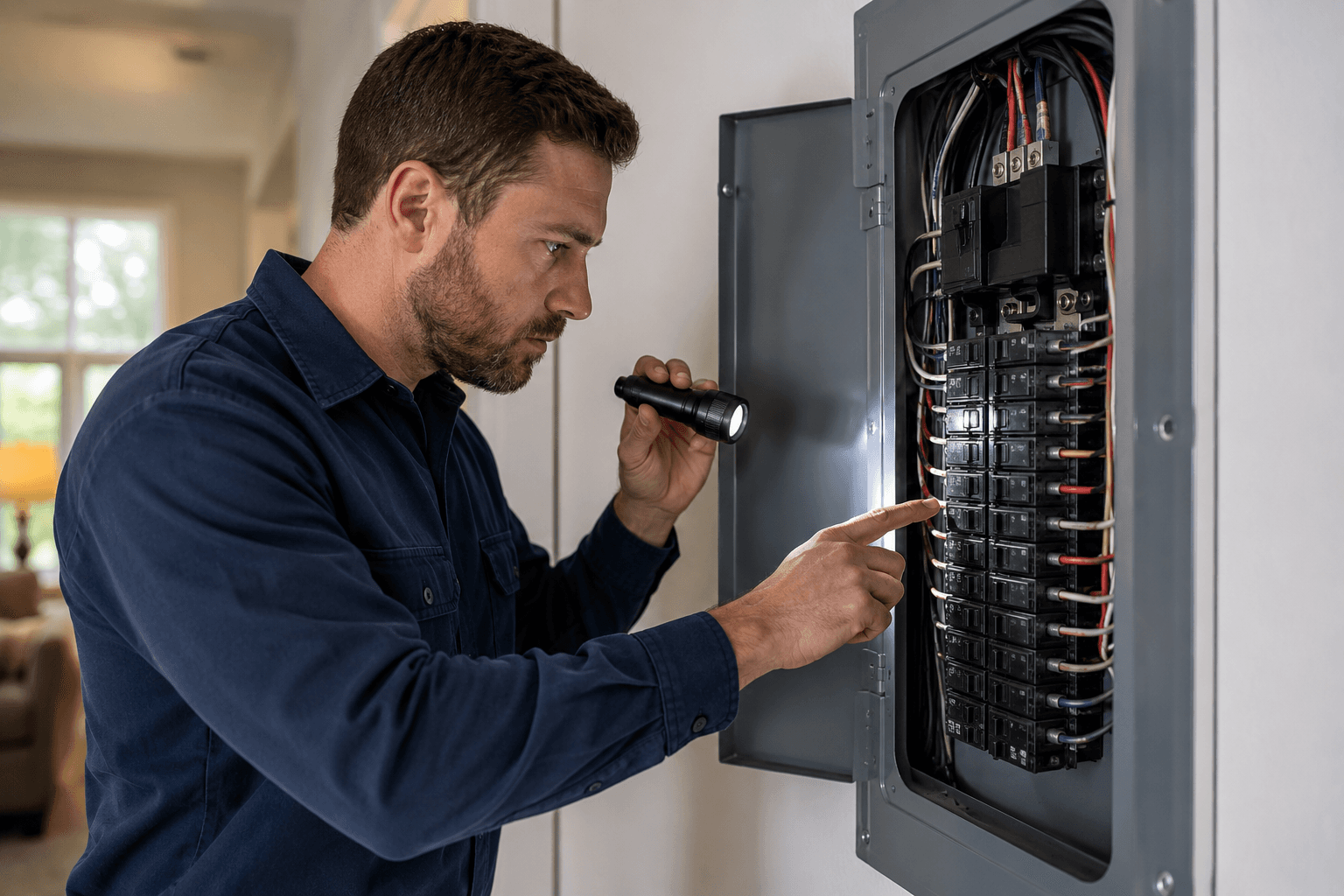
If your circuit breaker panel trips every time you turn on the electric kettle, microwave, or hair dryer, your system is trying to tell you something. This usually points to an overloaded circuit or a dangerous ground fault. Professionalelectrical troubleshooting in Luxembourgis required to safely rebalance your circuits or replace a degraded breaker module.
2. Burning Odors or Sudden Sparks
This is an absolute red flag. If you see sparks flying when you plug in an appliance, or if you smell a distinct, acrid odor of burning plastic near an outlet or yourelectrical panel, shut off your main power immediately. This constitutes a directemergency electrician Luxembourgscenario. A severe short circuit is likely developing behind the scenes.
3. Warm or Discolored Wall Outlets
An electrical outlet should never feel warm to the touch. If an outlet cover is hot, discolored, or showing faint brownish burn marks, it indicates that the internal wiring is overheating. This is typically caused by loose terminal connections or improper wire sizing that cannot handle the electrical load.
4. Flickering or Dimming Lights
Do your lights dim or flicker whenever your refrigerator kicks on or your washing machine enters a spin cycle? This classic symptom reveals that your large appliances are drawing more current than the localized circuit can easily supply, indicating poor power distribution within your home.